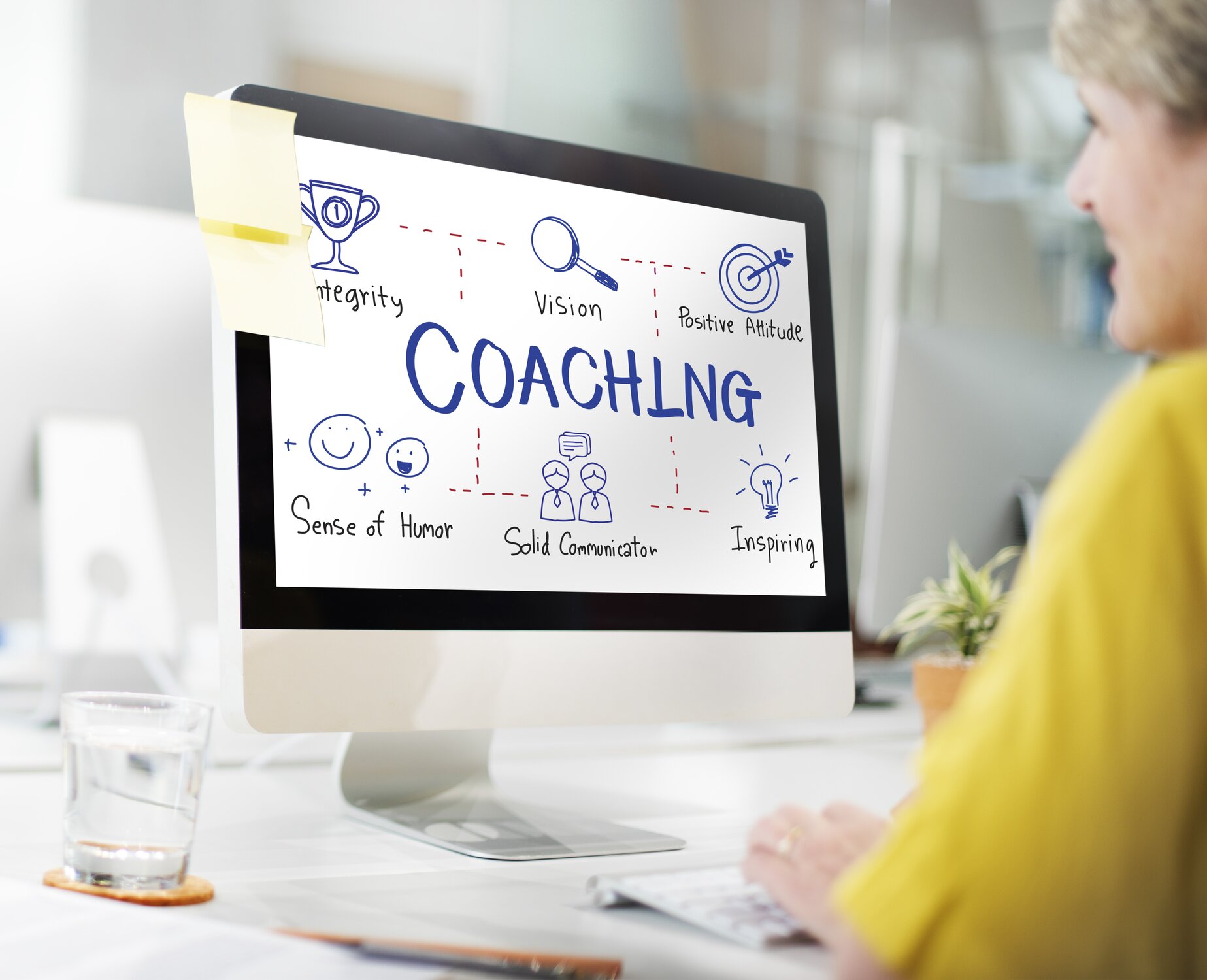
Leadership in the 21st century is becoming more complex. Unsurprisingly, many are becoming more curious about “What is executive coach?” More importantly, it begs us to consider why it’s become so valuable (nearly indispensable).
Executive coaching empowers today’s leaders to sharpen their decision-making capabilities and enhance performance. Moreover, they can navigate 21st-century challenges with greater confidence.
Coaching isn’t mentoring that passes down experience (from the mentor to the mentee). It’s different from a training program, too, which typically focuses on set skills. Coaching is personalized, zeroing in on a leader’s unique strengths and blind spots. That creates space for growth that directly impacts individual success and organizational performance.
In the simplest terms, coaching has become an indispensable tool for modern leadership.
What Is Executive Coaching?
At the very core of executive coaching is the solid partnership between a leader and a professional coach who helps unlock the former’s potential and drive performance.
An executive coach doesn’t offer quick fixes or even generic advice. Instead, they work alongside clients to clarify their goals and challenge their thinking patterns. More importantly, they help leader-clients develop strategies for growth.
Coaching goals vary across clients. Some want to sharpen their leadership presence, while others desire more robust decision-making under pressure. Some want to boost their communication skills. Others want to build confidence in managing complex challenges (even teams).
It’s worth pointing out that coaching isn’t therapy. An executive coach won’t give you a to-do list. Instead, it’s a forward-focused, highly structured system that helps contemporary leaders perform at their best while positively influencing their respective organization’s success.
How Executive Coaching Works
Coaching leaders and senior executives is highly personalized, built around the client’s goals and challenges.
Everything starts with a discovery session, where the coach and client identify priorities and desired outcomes. They can schedule one-on-one sessions from there (often weekly or twice monthly, and tailored to the leader-client’s needs).
Executive coaches use assessments, structured goal-setting, 360-degree feedback, and other tools to provide clarity and direction.
The focus of the executive coaching can turn to building the client’s self-awareness and emotional intelligence (as the journey progresses). It can also involve sharpening the leader’s strategic thinking.
Most coaching journeys commence with discovery sessions. Periodic check-ins follow. After all, you and the coach will want to track your progress. It eventually delivers measurable results in leadership performance, decision-making, and, more importantly, team impact.
Benefits of Executive Coaching
There are many advantages of executive coaching that ripple across personal and organizational success.
At its core is leadership development, helping leaders become more adaptable. They grow more confident, too, while being effective in guiding their teams.
Coaching also sharpens decision-making. It gives executives the tools to evaluate options quickly and wisely (even under intense pressure).
Coaching also promotes stronger communication. It improves a leader’s ability to collaborate with colleagues, stakeholders, and teams.
Leaders can also drive higher performance if they receive tailored coaching. A clearer vision and strategy will enable leader-clients to accomplish goals more efficiently.
Coaching builds resilience, too, including exceptional stress management skills. Leaders will remain effective even in the most demanding environments. The result? More balance, impactful leadership.

Who Needs Executive Coaching?
Many individuals think that executive coaching is only for CEOs and Directors. However, you’ll be glad to know that anyone who wishes to improve their leadership potential can benefit from such coaching.
For instance, senior leaders and executives who face high-stakes organizational demands and challenges can benefit the most.
Anyone preparing for bigger responsibilities might also need coaching (especially aspiring leaders). Even those seeking promotions, like mid-level managers.
Business owners (including entrepreneurs) can benefit from the guidance of expert coaches. Navigating business growth challenges becomes easier. They’ll be able to scale their business, too (even execute complex strategic decisions).
Coaching can also benefit future leaders or individuals whom an organization considers as high-potential talent.
Anyone stepping into a new role, organization, or industry and needing extra guidance can accomplish their goals from a seasoned coach.
How to Choose the Right Executive Coach
So, how should you choose a coach? Always start by clarifying your goals (including values) before matching them with a coach’s expertise (and approach).
Next, find out if the coach has a recognized (and verifiable) certification. How about relevant professional experience? A coaching style that suits the client’s learning preferences works best. An executive coach with a proven track record of success with leaders (like you) should be on your top list.
You’ll want to ask practical questions during the discovery session. For instance, how does the coach structure sessions? What accountability methods do they use? Do they have shared success stories to share? How about measurable outcomes?
Personal connection matters, too! You’ll want to feel comfortable being open and supported. Trust and chemistry can help guarantee successful leadership growth, especially one that produces a lasting impact on yourself and your organization.
Common Myths about Executive Coaching
While executive coaching is growing in popularity, one cannot deny the existence of a few misconceptions or even “myths.”
For example, people believe that coaching is only for struggling leaders. The truth is that coaching is designed for high performers who want to grow further (and not just for those facing challenges).
Some also think executive coaches provide ALL the answers. Far from it. Instead, a great executive coach empowers or guides leaders to uncover their own insights. Building sustainable strategies should also be easy for coached leaders.
Others say coaching eats up too much time. That’s untrue! Coaches structure sessions so they don’t interfere with clients’ busy schedules. Meetings deliver measurable progress in focused, pre-agreed time frames.
Ultimately, coaching for 21st–century leaders is a partnership focused on growth and accountability. It also guarantees lasting results.
Choose the Best Executive Coaching
Executive coaching is more than professional development. It catalyzes growth, clarity, and, most of all, stronger leadership. Leaders can sharpen their decision-making while enhancing communication. Building resilience to thrive in complex environments should be easy, too.
Coaching for leaders isn’t limited to CEOs. Senior leaders, aspiring executives, entrepreneurs, and transitioning professionals can all benefit.
The right executive coach helps you unlock your own potential, not hand you answers. It’s high time you reflect on your leadership journey and ask yourself where you want to grow. Consider exploring coaching as the next logical step toward lasting career impact.