What to Do When You Are Not Ready to Decide About Your Career Yet
For senior leaders who are not ready to decide about their career, waiting can be a real choice, and small low-risk steps can build readiness. Christine Nersisian's Career Compass Method shows how.
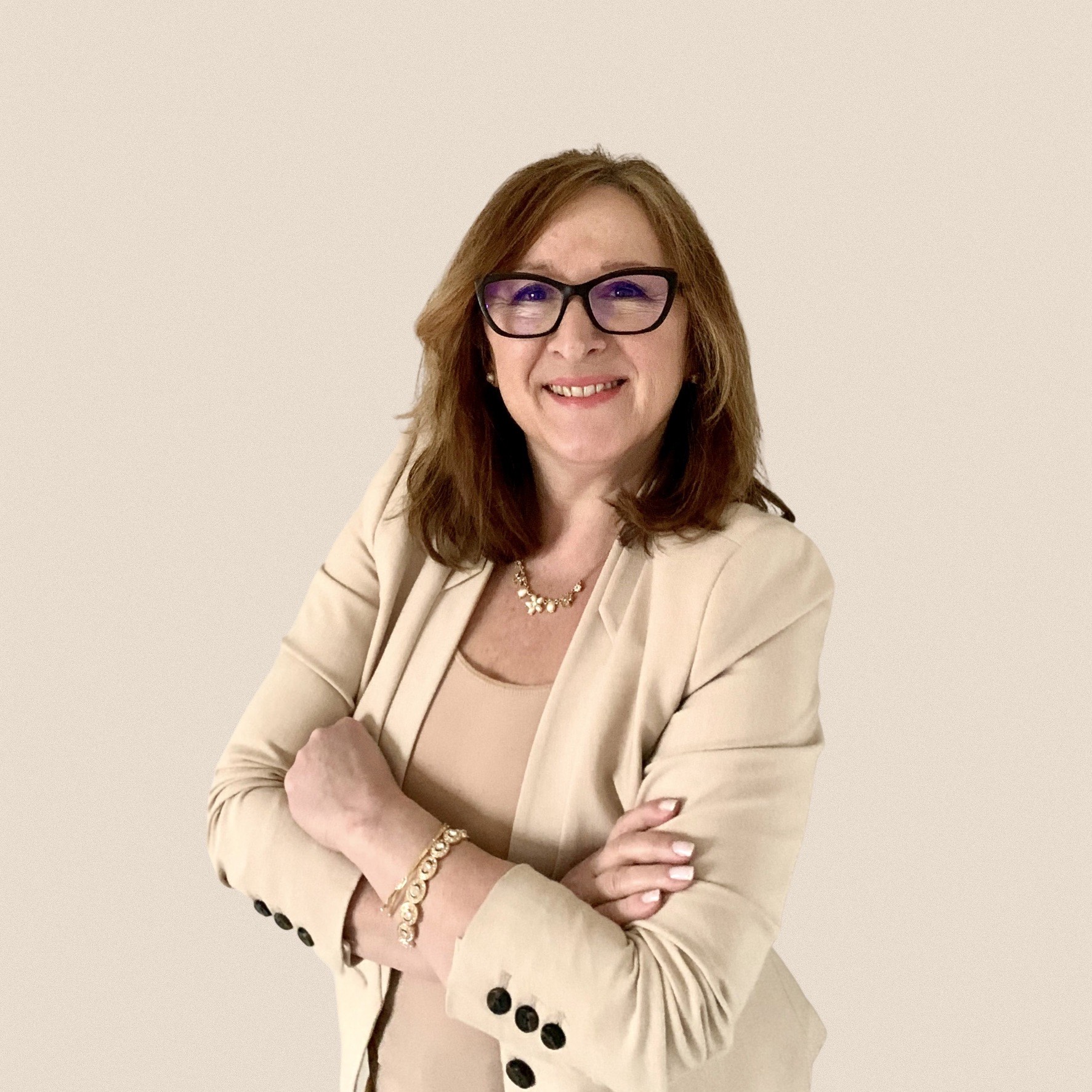
When a senior leader is not ready to decide about their career, the most useful move is to stop forcing the decision and start building readiness for it. Christine Nersisian, a Dream Coach Match Executive career coach who created the Career Compass Method (Clarity of Self, Authentic Alignment, Courage to Act), treats "not yet" as a stage of the process and not as a verdict on the person. Taking steps does not mean leaving a role. It means working toward a move gradually, so that when the moment comes, a leader meets it with clarity about what is next.
What it means to be not ready to decide about your career
Many capable leaders reach a point where something has shifted. The title is still there, the team is still there, and the question underneath has changed. Is this still the right chapter?
Being not ready to decide is common at this stage, and it often has a specific cause. A leader may not yet know what the next chapter needs to include. They may not have a safe way to test an option without risking the security they spent decades building. Or the fear of losing a position may be louder than their curiosity about what else is possible.
Christine's observation, drawn from nearly 30 years in human resources and her own two years of searching for what was next, is that fear of change and of losing the current position can keep leaders in the same role for a long time, unable to take any step at all. Her own search would have been shorter with a coach.
Research on career inaction describes something similar. A 2022 qualitative study in the Journal of Vocational Behavior by Rogiers, Verbruggen, D'Huyvetter, and Abraham of 43 people who stayed in jobs they wanted to change found that many described their situation as a "golden cage": salary, seniority, familiarity, and mastery made the role comfortable even as they wanted something different. The study also found that the longer people stayed inactive, the stronger the pull toward comfort became. That supports a point central to Christine's work: waiting can be a real choice, but waiting without any movement tends to make the next step feel larger.
The difference between waiting and drifting
Christine's approach separates two kinds of "not yet."
Waiting is deliberate. A leader decides that the question deserves more time than a week or a month, and keeps gently clarifying what fits while they wait. Drifting is what happens when the question is set aside because it feels too big, and the calendar fills with everyone else's priorities.
The difference shows up in small actions. A leader who is waiting can usually name one thing they have learned about themselves in the past month. A leader who is drifting often cannot.
This matters because the Career Compass Method starts from identity, not action. The first phase, Clarity of Self, asks who the leader is now beyond the title, including what energizes them and what drains them. Nothing in that phase requires a decision. It gives a leader something to hold while they keep thinking.
Four situations, and a small step for each
People who are not ready to decide are not all in the same place. Christine has noticed that circumstances differ, and the smallest useful step differs with them. None of the steps below is a decision.
Situation | What it often looks like | A small step that is not a decision |
|---|---|---|
Comfortable but unsure | Years in the same role with no movement, and a quiet sense that something is missing | Write down 3 to 5 things the next chapter needs to include |
The role fits less and less | The energy has gone, and fear of losing security keeps the leader in place | Test one option in a low-risk way, such as a single exploratory conversation |
The role is affecting well-being | Sleep, tension, and energy are changing, and the leader holds on out of fear | Treat the signal as information about fit, and speak with a doctor or other health professional about the physical side |
The role may end, or already has | A decision was made for the leader, and the page is blank | Build clarity now, so the next move comes from choice and not from shock |
When the role is affecting health
Christine has also seen leaders hold on to a poor-fit role out of fear, even after it stopped being good for them. The role may have started to affect how they feel, and the fear of letting go outlasts the point at which staying still serves them.
This is a coaching observation and not a medical one. Coaching works with the decisions, patterns, and identity around a role. It does not diagnose or treat health concerns. A leader who notices changes in sleep, energy, or physical tension should talk with a doctor or other health professional. What coaching can add is a thinking partner for the question of what the role is asking of them and what they want instead.
Small steps that build readiness without risking the role
Christine's guidance for leaders who are not ready to decide is to work toward a move without committing to one. The steps are small, and none of them requires giving notice.
Name what you want the next chapter to include. Three to five items is enough, and a notebook is all it takes.
Notice when you feel most energized and most drained. Over a few weeks, patterns tend to appear that thinking alone does not reveal.
Mark where your current role honors your values and where it does not. Choosing 5 to 7 values that matter most now gives the exercise a clear edge.
Have one conversation that costs nothing. Talking with a trusted colleague or mentor about what you are noticing makes the question real without making it a commitment.
Name the fear out loud. If the fear is losing financial security, say so. A fear that has been named is easier to plan around than one that stays in the background.
The purpose is not to push toward a decision. Christine's view is that a leader who has taken these steps meets a change differently, whether they chose it or the role ended for a reason outside their control. They meet it with clarity and a sense of what they are moving toward, not from a place of shock.
How to know when you are ready to change careers
Readiness rarely arrives as a single moment. In Christine's framework, it tends to show up as a few quieter signs:
The leader can describe what the next chapter needs to include without searching for words.
The idea of change has started to bring curiosity alongside the fear.
The fear of loss is still there, but it no longer makes every decision.
There is a written plan, even a rough one, with a first move that feels possible.
These signs line up with the three phases of the Career Compass Method. Clarity of Self comes first, then Authentic Alignment, where self-knowledge becomes a vision that fits. Courage to Act comes last, which Christine describes as moving forward purposefully even when fear is present. Readiness does not mean the fear has gone. It means the fear is no longer steering.
A leader who is not there yet has not fallen behind. The sequence matters, and clarity tends to come before courage.
Frequently asked questions
How long is it normal to feel not ready to decide about a career?
There is no set timeline. Christine's own search took two years. A more useful measure is whether the question is moving: a leader who learns something new about themselves each month is making progress, even without a decision.
Does taking small steps mean I have to leave my job?
No. In Christine's approach, steps are designed to be taken while staying in the role. They build clarity so that any later move, whether staying, stepping up, or starting something new, is a chosen one.
What if my job is affecting my health and I still feel unable to leave?
Speak with a doctor or other health professional about the physical side. Coaching is separate from medical care. Alongside that, a coach can help a leader look at the fear that keeps them in place and begin to separate what is true from what is habit.
Is it a problem if I am not sure I want to leave at all?
No. The Career Compass Method allows for three outcomes: staying in the current role and leading differently, stepping into a bigger one, or starting something new. Clarity about which one fits comes first.
A quiet thought to take with you
Some questions about what comes next need more time than a week, and waiting can be a real choice. The question worth sitting with is a gentle one: what would you want to know about yourself before you were ready?